Furniture & Form
The Hawaiian Hale: Furniture Materials Built for Island Living
The question I come back to most often with clients across Oahu and the neighbor islands is this: does this piece belong here? Not whether it's beautiful — that's easier to answer. Whether it belongs. Whether the material, the form, the weight of it makes sense in the context of this house, this light, this particular relationship with the outdoors.
In traditional Hawaiian culture, the hale — the dwelling — was not a refuge from nature but an extension of it. The walls were porous, the interior and exterior in continuous conversation. That philosophy, updated for contemporary life, is still the most useful framework for thinking about furniture in a Hawaiian home. And it starts with material.
The Climate Reality
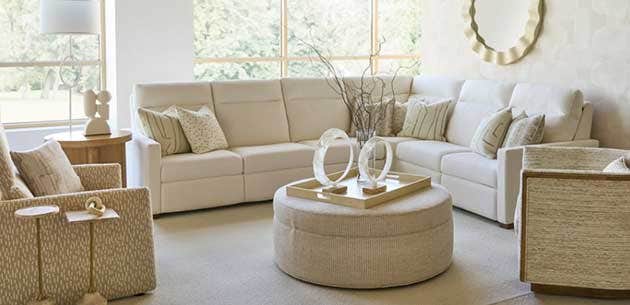
Before aesthetics, materials. Hawaii's combination of UV exposure, ambient humidity, occasional salt air, and remarkable temperature stability creates conditions unlike anywhere on the mainland.
The humidity varies more than most people expect. A home in Kahala — sunny, south-facing, steady trade winds — lives in a different climate than a home in Nu'uanu, where the valley fog settles in the evenings and the air has a quality of damp that you feel in the furniture over time. A home in Portlock, salt air moving through from the ocean side, is different again. And a home in Upcountry Maui — cool mornings, eucalyptus lining the road to Makawao, Haleakalā visible above the clouds — is different from all of them.
Materials that thrive here share a few characteristics: dimensional stability in moisture, natural or engineered UV resistance, and a tendency to age into something more interesting rather than less. That last quality matters more than it gets credit for.
Teak: The Gold Standard
I recommend teak more than almost any other outdoor-capable furniture material, and the reason is simple: it earns its reputation. The natural oil content — unusually high among commercially available hardwoods — provides intrinsic protection against moisture, warping, and UV breakdown. And left untreated, teak grays into a silver patina that I find genuinely more beautiful than the original warm gold. It's the look of something that has been here a while and isn't going anywhere.
For Hawaiian interiors, teak bridges indoor and outdoor spaces in a way few materials can. The same material on a lanai dining table and a living room side table creates a continuity that makes the transition between spaces feel intentional. The house reads as one thing, not two.
The sustainability question is real and worth taking seriously. Plantation-grown teak — primarily from Southeast Asia, certified under the Forest Stewardship Council — is the responsible choice. The premium over uncertified wood is modest. The peace of mind is not.
Rattan's Rightful Place
Rattan has been having its moment in the design conversation for a few years now, and in Hawaii the enthusiasm is warranted. It has deep roots in the craft traditions of Asia and the Pacific, and its formal qualities — lightness, woven texture, organic irregularity — fit tropical interiors in a way that heavier European furniture never quite does.
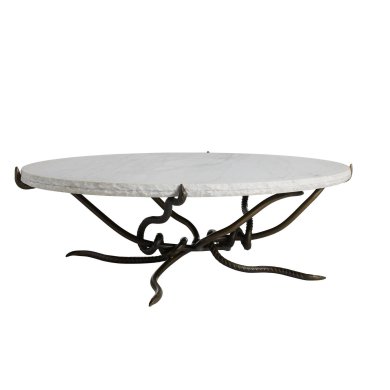
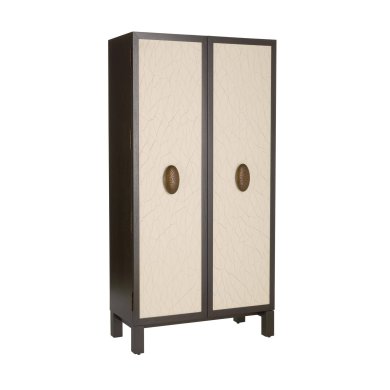
What's different about rattan now is the seriousness of the design work being done with it. Contemporary rattan furniture arrives in more refined, architectural forms: clean-lined frames, loose-cushioned seats, the elaborate curlicues of the vintage era mostly left behind. The craft is being taken seriously by designers working with it in conversation with steel, marble, and performance upholstery.
In a Hawaiian interior, rattan moves between living rooms, bedrooms, and lanai spaces easily — which matters in homes where the indoor-outdoor boundary is regularly renegotiated. What it cannot do is live in direct rain or sustained salt air without protection. For pure outdoor use in exposed locations, synthetic wicker from high-density polyethylene closely approximates the visual quality of natural rattan without the moisture sensitivity.
Bamboo Reconsidered
Bamboo has a complicated design reputation, mostly earned in the wrong direction: too many years in motels and beach bars. But the material itself is extraordinary — harder than most hardwoods, dimensionally stable, fast-growing, possessed of a natural warmth that engineered materials struggle to replicate.
Contemporary bamboo furniture, produced from laminated strand bamboo rather than simple round culms, bears no resemblance to its predecessor. It can be machined, jointed, and finished like fine hardwood. In the right hands it produces furniture of genuine distinction.
In Hawaii, bamboo carries cultural weight that imported furniture cannot. It's a material of the Pacific — used for centuries in island building and craft — and a piece that engages that heritage thoughtfully adds a layer of meaning to a room that you can't buy in a furniture showroom on the mainland.
The Japandi Frame
The Japandi aesthetic — the Japanese-Scandinavian synthesis that has dominated interior conversations for several years — finds its most natural expression here. Japanese minimalism and Hawaiian design tradition share a deep attention to natural materials, negative space, and light. The alignment is not coincidental. These are cultures shaped by islands, by limited resources, by a close relationship with the natural world.
For Hawaiian interiors, Japandi provides a framework for furniture selection that avoids both the sterility of pure minimalism and the clutter of maximalism. Natural materials honestly expressed. Form following function with careful attention to proportion. Restraint in color — warm neutrals, the occasional deep anchor. Texture as the primary source of visual interest. These principles just need to expand to include the Pacific: the open-air tradition, the integration of landscape, a material palette that belongs here.
The Paniolo Interior
One design context that rarely gets the attention it deserves is the upcountry Hawaiian home — particularly on Maui and the Big Island, where the ranching culture runs deep and has its own design language. The paniolo aesthetic is its own world: saddle leather and dried pili grass tones, the particular weight of wool, the Waimea dirt terracotta in the floor tiles, the cool air off Haleakalā.
Furniture for a Makawao farmhouse or a Kohala ranch home draws from a different palette than a Honolulu oceanfront apartment. Heavier forms. Warmer, earthier tones. Materials that can take a certain roughness without looking worn. A teak table with iron hardware. Wool upholstery in dried-grass gold. A koa sideboard from a local maker. These rooms have a grounded character that the coastal interior never quite achieves — and they're some of the most beautiful spaces in Hawaii.
Wabi-Sabi and the Hawaiian Interior
The Japanese concept of wabi-sabi — beauty found in imperfection, incompleteness, and the marks of time — resonates here in a particular way. The islands are themselves an expression of this: raw volcanic rock emerging from the ocean, material in the visible process of becoming.
In furniture, wabi-sabi sensibility means choosing materials that age visibly and gracefully. Teak that grays. Stone that gains patina. Linen that softens. Rattan that develops character. Permanent newness reads as foreign in Hawaii. The most beautiful island interiors have the quality of having been lived in — of having gathered the particular patina of this place over time.
Supporting Island Makers
Hawaii has an active community of furniture makers working in native woods — koa above all, but also mango, monkeypod, and kou — producing furniture that is genuinely of these islands in a way no imported piece can be. The premium on locally made work is real. So is the value it adds.
A koa dining table from a Hawaiian craftsman is not simply furniture. It is a piece of the islands in the most literal sense, and it will mean something to everyone who sits at it. In my experience, clients who invest in locally made pieces never regret it. The work belongs here in a way you feel the moment it's in the room.
Stay in the Loop
New arrivals, seasonal
stories & studio notes.
Join the Hale circle. Be the first to know about new fabric arrivals, limited accessory drops, and studio events.
No spam. Unsubscribe at any time.